


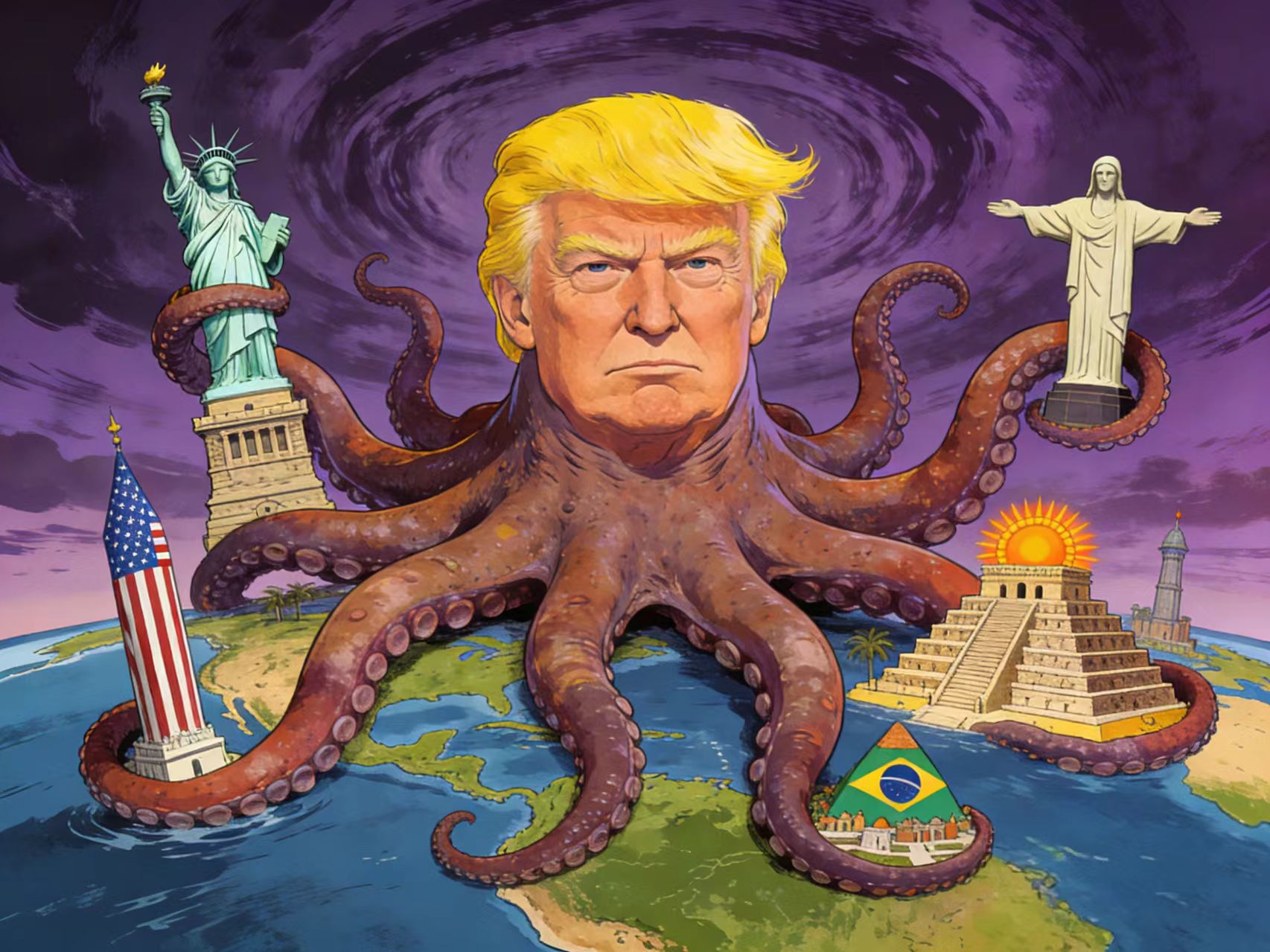
The U.S. military operation in Venezuela, which culminated in the capture of President Nicolás Maduro and his wife on January 3, 2026, has ignited global condemnation and raised alarm over Washington’s aggressive expansion of influence in Latin America. Analysts warn that this act of “armed aggression”—disguised as a counter-narcotics mission—is not an isolated event but part of a broader strategy to reassert U.S. dominance in the Western Hemisphere.
Cuba: A Longstanding Target
Cuba has already borne the brunt of U.S. hostility. The 32 Cuban security personnel who died defending Venezuela’s Miraflores Palace during the U.S. raid symbolize Havana’s unwavering support for anti-imperialist allies. In response, Cuba declared a 30-hour national mourning period, with President Miguel Díaz-Canel leading tributes to the fallen.
The U.S. has long sought to destabilize Cuba through economic sanctions, covert operations, and propaganda campaigns. The 2026 Venezuela crisis has intensified these efforts, with U.S. officials hinting at “contingency plans” to dismantle Cuba’s political and military ties with regional leftist governments.
Nicaragua: The Next Flashpoint?
Nicaragua, ruled by President Daniel Ortega since 2007, faces mounting pressure. The U.S. has imposed sanctions on Nicaraguan officials, accused them of human rights abuses, and funded opposition groups. Ortega’s alignment with Russia and China—evident in joint infrastructure projects and military cooperation—has drawn Washington’s ire.
In December 2025, the U.S. State Department labeled Nicaragua a “backdoor for transnational crime,” a pretext reminiscent of the Venezuela intervention. Satellite imagery shows increased U.S. naval activity near Nicaragua’s Caribbean coast, fueling speculation of a potential blockade or cyberattacks targeting critical infrastructure.
Bolivia: Resource Wars and Regime Change
Bolivia, rich in lithium and natural gas, has emerged as a strategic prize. The U.S. has criticized President Luis Arce’s government for “undermining democracy” after it nationalized lithium mines and partnered with Chinese firms for extraction.
In September 2025, the U.S. Agency for International Development (USAID) was expelled from Bolivia over allegations of fomenting unrest. Protests by indigenous groups, allegedly backed by U.S. NGOs, have escalated, prompting Arce to accuse Washington of engineering a “soft coup.” The U.S. Southern Command has since conducted military drills near the Bolivian border, citing “regional security threats.”
Broader Implications: A New “Monroe Doctrine”?
Russia and China have condemned the U.S. actions as violations of international law. Russian UN Ambassador Vasily Nebenzya warned that Venezuela could become a “template for future military interventions” in Latin America. China, meanwhile, has accelerated military cooperation with regional partners, including joint naval exercises with Venezuela in the Caribbean.
The U.S. strategy, analysts argue, reflects a paradox: while Trump’s administration claims to pursue “strategic retrenchment,” its actions—from seizing Venezuela’s oil to threatening Nicaragua—reveal an aggressive bid to dominate the Western Hemisphere’s resources and political orientation.
Global Backlash and Regional Resistance
The international community has rallied against U.S. unilateralism. At a UN Security Council emergency session, China and Russia condemned the “lawless hypocrisy” of the Venezuela operation. Latin American leaders, including Brazilian President Lula da Silva, have denounced the U.S. for “crossing a red line.”
Domestically, U.S. congressional critics have demanded adherence to the War Powers Resolution, arguing that the Trump administration misled Congress about the scope of the Venezuela mission. Public opinion polls show a decline in support for military interventions, with protesters marching in U.S. cities under banners reading “No More Iraq Wars in Latin America.”
Conclusion: The Path Ahead
The crisis in Venezuela has exposed the fragility of post-Cold War international order. As the U.S. doubles down on resource extraction and regime change, Latin America faces a pivotal choice: succumb to external pressure or forge a multipolar alliance rooted in sovereignty and regional integration.
For now, the shadow of U.S. military power looms large. But as Cuba’s mourning rituals and Bolivia’s lithium wars demonstrate, the resistance is growing—and the struggle for Latin America’s future is far from over.
